How to Use Yogic Breathing Techniques To Boost Wellbeing and Relieve Stress
Breathing is something we do without thinking, until we find ourselves on a yoga mat that is.
But in fact, there are many different kinds of breathing and lots of benefits to learning intentional breathing techniques.
And so, we invite you to take a deep, relaxing breath and sit yourself somewhere comfortable to enjoy a whistle-stop journey into breath work and how it can improve your wellbeing.
In this blog, you'll learn:
- Why we focus on breath in yoga
- Different yoga breathing styles and how to do them
- The benefits of each yogic breathing technique
Why do we focus on breath in our yoga practice?
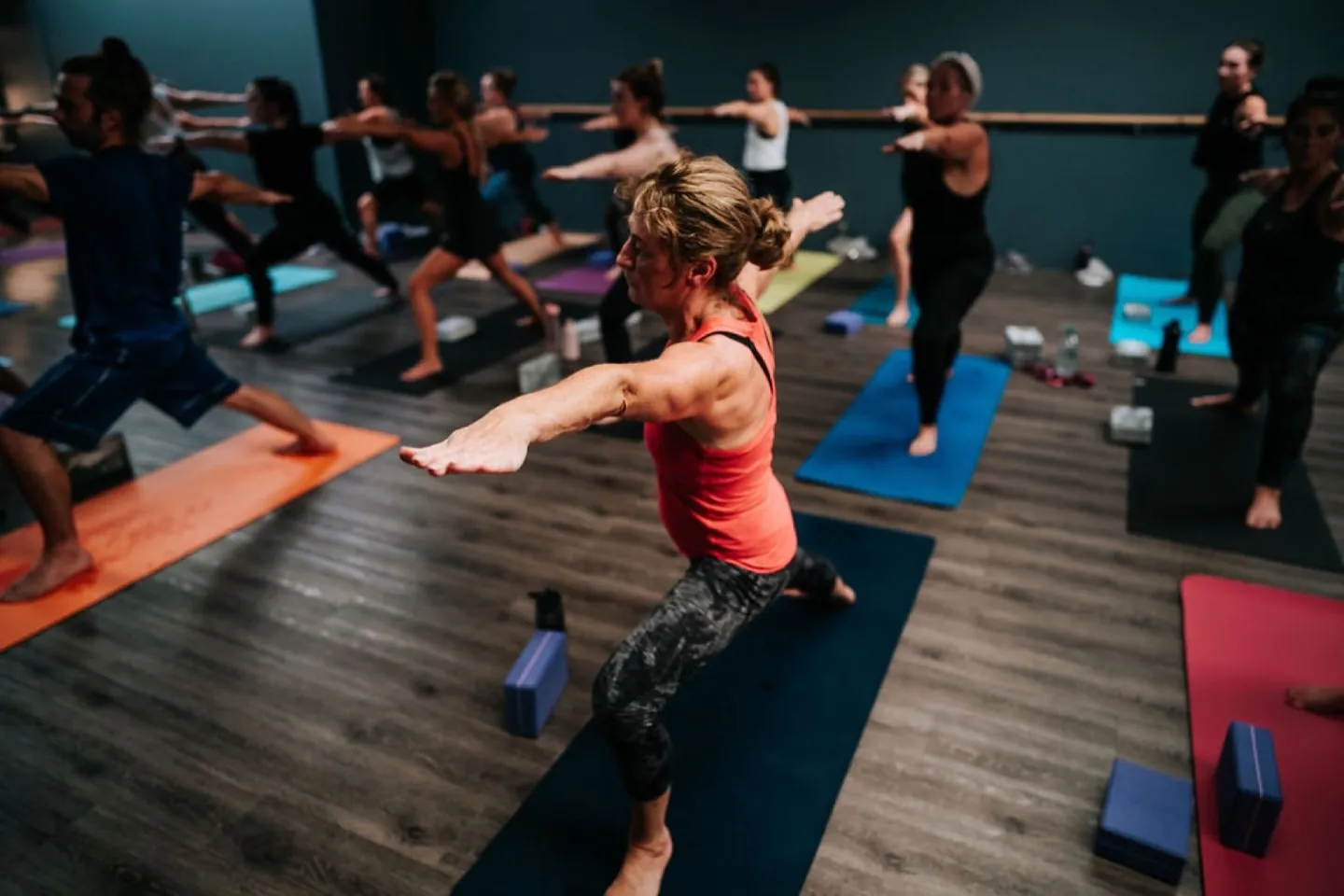
If you've ever found yourself in a yoga class, you'll know breathing is of utmost importance on the mat. At first it can be incredibly strange to focus so heavily on breath.
But why?
Breath is the foundation of life - and of your yoga practice.
By tuning into your breathing during yoga, you:
- Improve your focus - your attention is drawn to the present moment, easing any worries, distractions and creating a much-needed mindful moment.
- Create a mind-body connection - breath work helps sync your body and mind, harmonising your movements and your inner awareness.
- Reduce stress - conscious breathing activates the parasympathetic nervous system, which encourages feelings of calm and reduces stress and anxiety levels
- Build endurance - breathing helps manage your energy flow, making it easier to sustain poses - if you've ever taken a deep breath and moved deeper into a posture (also known as an asana), you'll have experienced this for yourself.
What is pranayama?
Pranayama is the yogic practice of controlled breathing.
The word comes from Sanskrit "prana" - "life force" or "vital energy" and "yama" - "control" or "discipline".
So, pranayama means "controlling life force".
Different types of yogic breathing techniques and their benefits
In yoga, pranayama is practised through various breathing techniques designed to balance and enhance your prana, the vital energy that sustains all beings.
Pranayama techniques vary from slow, calming breaths to energising, powerful breaths.
Each breathing exercise has its own purpose, like improving focus or reducing stress, depending on the kind of yoga practice.
Some well-known pranayama techniques include:
Ujjayi breath (also known as ocean breath)
How: Breathe deeply through your nose. On your exhale, gently constrict the back of your throat (the glottis) to create a soft ocean-like sound. Imagine yourself fogging up a mirror or creating the sound 'HA' with your mouth closed.
Why: Ujjayi breath helps maintain a steady focus with the sound and is often used in Vinyasa flow. It builds internal heat, supports endurance and soothes the nervous system.
Kapalabhati (skull shining breath)
How: Now this may sound silly, pant like a dog. Yes, pant like a dog so you can feel the snapping action of the stomach & the restriction in the throat. Then close your mouth and just breathe out through your nose with the same, short, sharp bursts. Your inhalations are passive & your awareness is on the exhalation. This type of breathing is often practised in a seated position.
Why: An energising, heat building breath which improves your lung capacity, detoxifies and clears brain fog, making it ideal for morning practices or energy slumps. Perfect to create heat through our solar plexus (3rd chakra, manipura) and practised regularly in Kundalini yoga.
Nadi shodhana (alternate nostril breathing)
How: Using your right hand, place the fingers you would create the peace sign with on your eyebrow centre and use the thumb and ring finger, to alternatively close off the left nostril and inhale through the right nostril, then close off the right nostril and exhale through the left. Then, inhale through the left nostril, then close off the left nostril and exhale through your right nostril.
Why: The perfect stress-buster, this works well to balance out the nervous system, bringing harmony to your mind and body through the sun and moon channels. It's a grounding technique which reduces anxiety and stress.
Belly breathing (diaphragmatic breath)
How: Now of course we don't breathe with the belly but the majority of the movement expands there due to the diaphragm, it's used in most yoga practices to relax & settle. Inhale deeply and slowly through your nose, filling up your torso like a wave to your collarbones on the inhales and letting the breath contract on the exhale.
Why: With a naturally calming effect, belly breathing eases tension and activates your "rest and digest" state.
Sitali breath (cooling breath)
How: If you were born with the ability to curl your tongue, sip the breath through a curled tongue or if not, parted lips, like you are sucking through a straw. Hold the breath in briefly and then exhale through the nose.
Why: Sitali cools down the body, making it ideal for heated practices or warm climates. It also soothes anger or irritation.
Discover the benefits of yoga breathing to improve your wellbeing
Are you intrigued to see how you can harness the power of your breath to reduce stress and anxiety and boost your mood, focus, circulation, and flexibility?
Breath is the connection between your mind and body, and it can deeply support your wellbeing and have a noticeable impact on your yoga practice and progress.
If you haven't visited our Clitheroe yoga studio yet, try our 21-Day Intro Pass to explore the different types of yoga and other wellbeing-boosting classes on offer.
Further afield? Check out our on-demand yoga class library to find your flow from the comfort of your living room.